WOO for the Nation’s Floodplain Managers
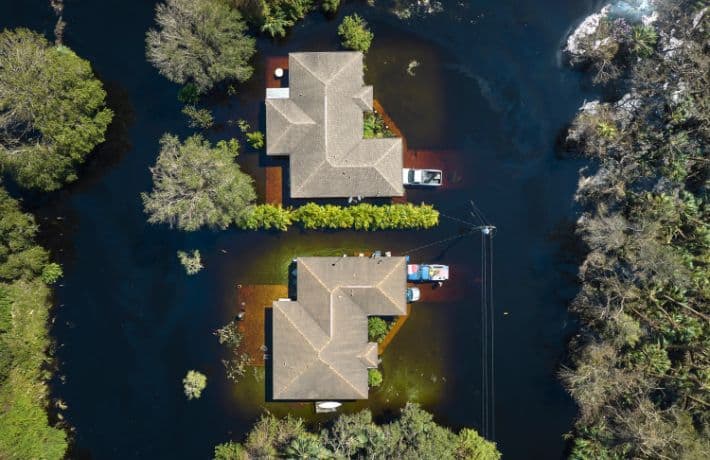
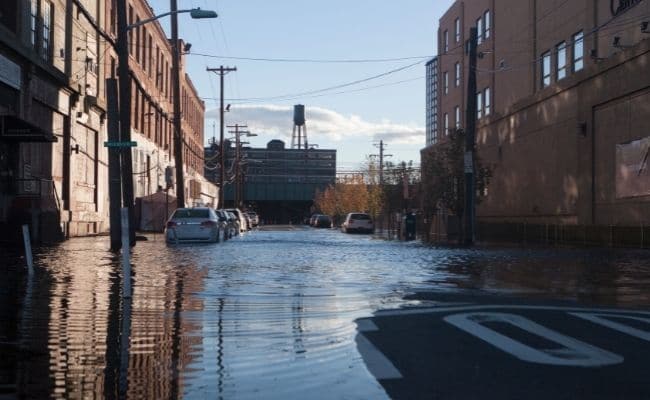
A WOO is a Window of Opportunity. Floodplain managers have a rare WOO right now to provide input on how the National Flood Insurance Program (NFIP) should be improved to better protect lives and property from flood damage and to reduce taxpayer burden on the increasing costs and numbers of flood disaster declarations. Floods are the costliest of all natural hazards, with annual costs now in the $20 million range. An amount that has doubled in each of the last two decades.
Some of us have been working with the NFIP since its early years of the 1960s and 70s. We at ASFPM have long asked FEMA to upgrade its standards and regulations for mapping, floodplain management, and flood mitigation. All those elements are critical to effectively managing flood risk in the nation. The NFIP has become the de facto program for managing flood risk in the nation. That work is done through a joint local, state, and federal approach.
FEMA has just extended the deadline for public comments until Jan. 27, 2021. My plea in this column is to help all of you reading this to understand how rare this opportunity is and to urge you to do your part and give your ideas on how the NFIP can better serve the nation. These standards and rules in the NFIP have not been upgraded in 45 years. All of you know how much development continues to occur in high-risk flood areas and how some communities and states are not helping reduce flood losses. You also know communities that are doing some great work to avoid development in high-flood risk areas. Many federal programs, like the Disaster Relief Act, do not reward those good communities, but instead seem to incentivize development in high-risk areas with a larger federal taxpayer cost-share for disaster relief time and again.
As we see and experience the impacts of more intense rainfall events and sea level rise, these problems will get worse unless the NFIP takes these future conditions into account in their flood maps, development standards and regulations, and how they assist communities and states to effectively manage flood risk.
Everyone reading this newsletter is involved in managing flood risk and no doubt has some very good ideas on how the NFIP can be modified to be more effective. The notice in the Federal Register provides detailed background on the NFIP and a number of questions to help guide your response. In addition, ASFPM is working to develop the association’s formal comments. If you would like to have your ideas and perspectives integrated into our response, please send them by Jan. 12 to Meg Galloway.