The Inspiration for the Book, Seek Higher Ground: The Natural Solution to Our Urgent Flooding Crisis
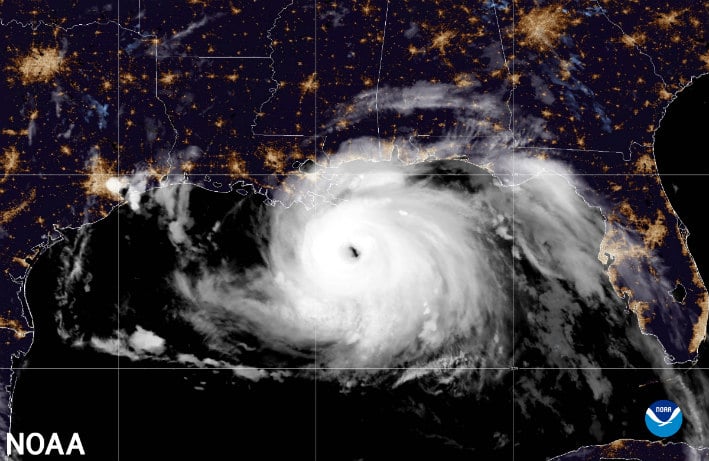
In June, 1972, I happened to be living at ground-zero of what became the most damaging flood in American history up to that time. Hurricane Agnes pummeled us with rain for three days, the water rose, and the deluge raged across the Susquehanna River basin and soaked eight states in all.
My house barely escaped the rapid rise. Neighbors who I knew well suffered deeply. At the time, I worked as the environmental planner for the Lycoming County Planning Commission in Williamsport, Pennsylvania. After the crest receded — and as soon as I could get out of my Appalachian village that had been isolated by debris flows disgorged from even tiny tributaries and by bridges crumpled and gone, my job involved recovery — but more important — a strategy to avoid such catastrophes in the future. First I guided our staff in plotting the extent of flooded land along hundreds of miles of waterways countywide. This became the only floodplain mapping at that time. Our earlier attempts to enact floodplain zoning had fallen on deaf ears, but after this disaster, and recognizing the narrow window of memorable concern, we succeeded in getting all of the county’s fifty-two local municipalities to enact floodplain zoning. We established a flood warning system, and for repeatedly submerged properties we launched a buy-out program, still active today, generating public parks and popular greenway acreage where the wreckage and suffering had been worst.
Most significant personally, that flood and its aftermath of civic work set me on a lifelong course of engagement in rivers and flooding issues, culminating in a new book, 50 years later, Seek Higher Ground: The Natural Solution to Our Urgent Flooding Crisis, published this April by the University of California Press.
Central to this creative undertaking was the Association of State Floodplain Managers and the dedicated work of its members. No other organization has so consistently and successfully analyzed, formulated, advanced, and accomplished so much toward effective floodplain management and kindred corrective approaches to flooding.
Well known for his pioneering insight, Dr. Gilbert White, from the 1930s onward, recognized that floods are natural phenomena and that flood damage is not principally a result of the timeless patterns of nature but rather of building homes and businesses on vulnerable ground. However, gaining political traction in an age of big-dam and big-levee buildup proved to be a long process. Carrying White’s guiding torch forward for five decades and counting, none have done more than engineer and ASFPM co-founder Larry Larson as an advocate for reforms.
In writing a narrative story about this movement, I drew on evidence of failure in relying too heavily on dams to stop floods, too confidently on levees to keep high water away from our homes, and too recurrently on relief to nominally help people get back on their feet after calamity knocks them down.
It was harder to find stories about safeguarding undeveloped floodplains as open space and about helping people to relocate whenever they’re willing to move to safer ground. But, in fact, dozens of excellent examples provide enlightened guidance about the paths we need to follow. Floodplain professionals eagerly shared stellar successes with me from the Nashville Metro Area in Tennessee to the little burg of Orting in Washington; from Tulsa to Sacramento, Milwaukee, and Mecklenburg County, North Carolina. I could not have written this book without the inspiring stories shared by Roger Lindsey, David Canaan, David Fowler, and David Kroening, not to mention General Gerald Galloway and others, plus flood victims who made the courageous choice to move and put behind them the hazards and the public costs that are otherwise guaranteed with each encroaching flood. Conservation leaders such as Chris Brown of American Rivers so critically recognized that we will never be caring properly for our rivers without also caring for the floodplains that are so much a part of the waterways and inseparable from their biological and hydrological health.
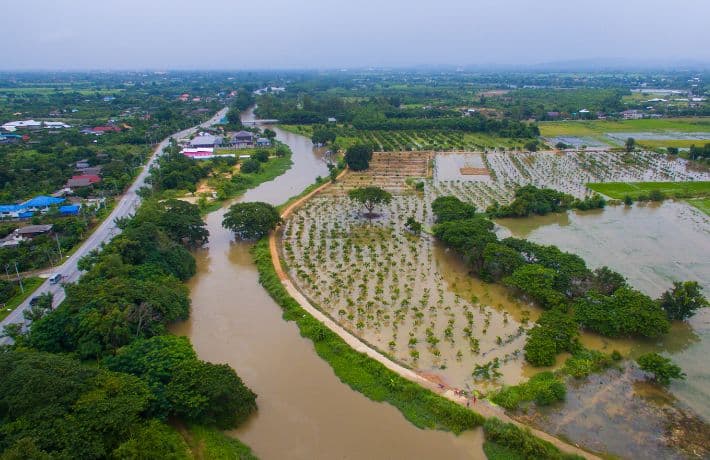
After enduring the Agnes Flood, after launching floodplain management programs in its wake, and after following efforts to improve our response to flooding nationwide, I saw, in recent years, an increasingly urgent need to tell this story because the specter of a heating climate has become vivid, clear, and alarming. The floods of the future will dwarf the floods of the past, from the atmospheric rivers drenching the West Coast and stacking up 30-foot snowdrifts to the soggy storms that pound the hollows of West Virginia with 15 inches of rain in a day or two.
In the years to come, the denial of responsibilities that have typified post-flood efforts of the past will simply no longer be tenable. The emerging climate of a planet rocked with the burning of fossil fuels and the depletion of carbon-sequestering forests and soils will generate floods we can no longer ignore after the requisite nine months of recovery are past and the memories of hardship fade. The need to manage floodplains effectively will grow at every level of government and private investment, and so, with new motivation, new determination, and new hope, I set out to tell this story while there is still time to do what must be done.
Seek Higher Ground – The Natural Solution to our Urgent Flooding Crisis from Freshwaters Illustrated on Vimeo.
Tim Palmer is a plenary speaker at the 2024 ASFPM Conference in Salt Lake City. Readers can also see his work at https://www.timpalmer.org/books-by-tim and a short film at https://vimeo.com/783037813. Seek Higher Ground is available in bookstores and online.