
May 2, 2022
ASFPM-led Sessions: Hear from Staff on Key Programs and Projects
By News Editor
To help you plan your schedule, this post lists all the sessions led by ASFPM staff members as well as those that highlight an ASFPM project or initiative.

April 27, 2022
A Broken Perception of Risk Is Sending Us into A ‘Spiral of Self-Destruction,’ UN Report Finds
By News Editor
Human activity is contributing to an increasing number of disasters across the world, putting lives and livelihoods in danger, warns a new UN report.


April 20, 2022
State and Local Mitigation Planning Policy Guides Updated
By News Editor
The updated state and local mitigation planning policy guides emphasize key priorities, such as climate adaptation, equity, resilience and building codes.

April 6, 2022
Registration Opens for E2460: Advanced Building Science Flood and Wind Mitigation Series
By News Editor
E2460 promotes the adoption and enforcement of hazard resistant provisions and mitigation implementation for increased resiliency against flood and wind hazards.

April 4, 2022
Putting a Number on the Federal Expenditures Driven by Climate Change
By News Editor
For the first time, the OMB is formally accounting for climate change risks in the federal budget. Flood, fire, and drought may exact an immense financial toll.

March 30, 2022
What Does It Mean to be a CFM?
By News Editor
ASFPM established the national certified floodplain manager (CFM) program in 1998 and we’d love to hear what being a CFM means to you.

March 29, 2022
Welcome News Members – Feb and March 2022
By News Editor
ASFPM extends a big welcome to the following people who joined the association in February and March.
March 29, 2022
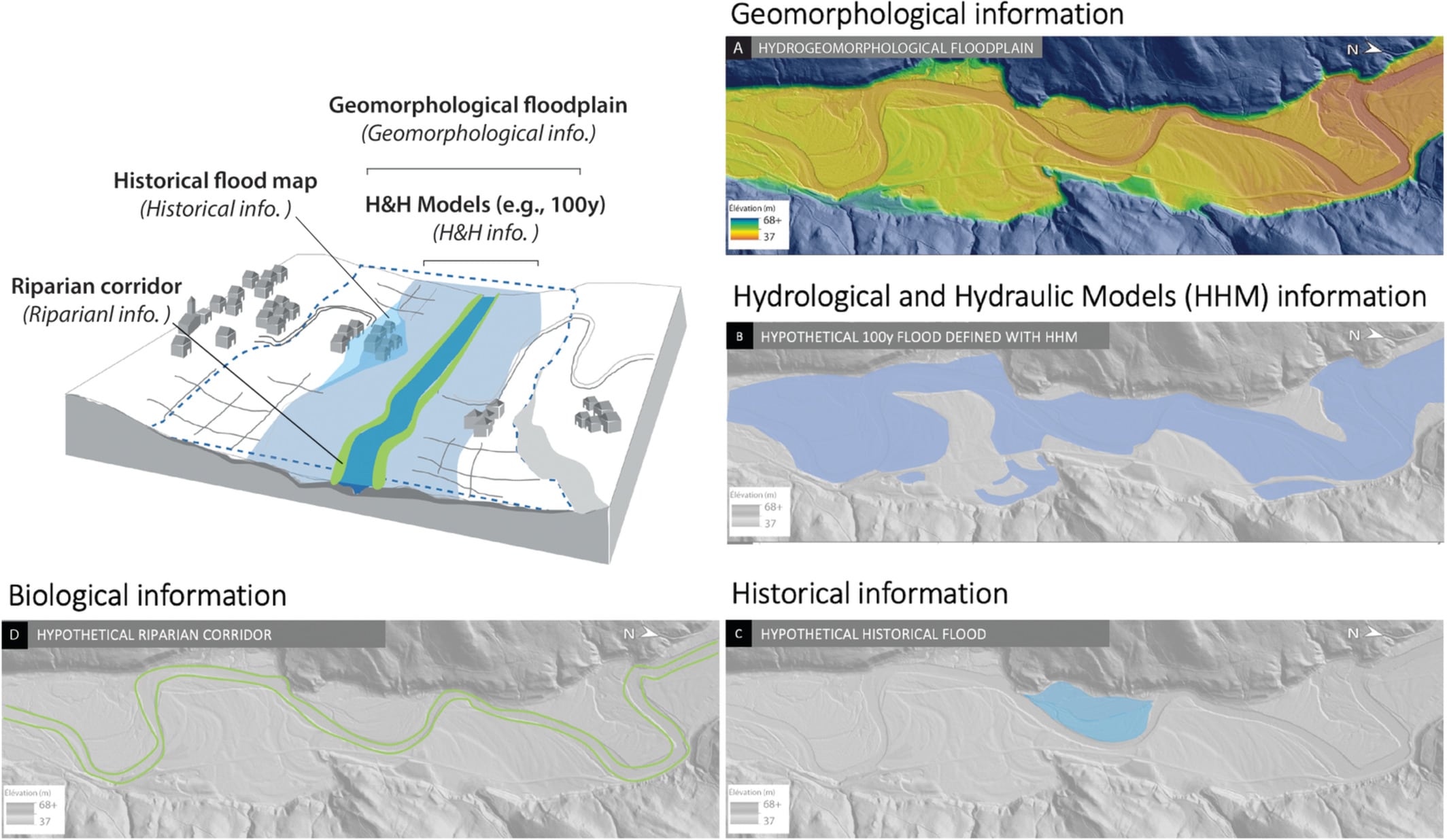
Managing Residual Flood Risk Behind Levees: An International Comparison
By News Editor
Researchers find big differences in how the U.S., France and Canada manage residual risk behind levees. What are the implications and what can be learned?

March 16, 2022
Pre-Calculated Benefits for Project Cost Analysis of Repetitive Loss Properties
By News Editor
Using these pre-calculated benefits eliminates the need for applicants to conduct a separate benefit-cost analysis for eligible projects.