HUD Seeking Public Input on How to Allocate Disaster Recovery Funds More Equitably
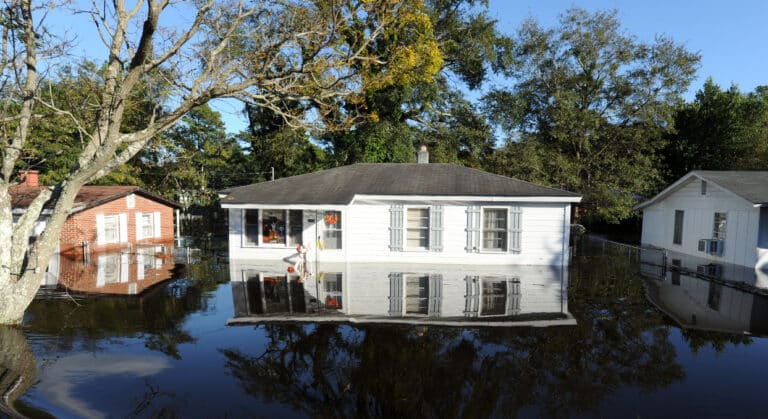
The Department of Housing and Urban Development (HUD) is asking for feedback on how to simplify, modernize, and more equitably distribute critical disaster recovery funds. The department has posted two Requests for Information (RFIs) notices in the Federal Register for Community Development Block Grant Disaster Recovery (CDBG-DR) funds. The deadline for comments is Feb 21, 2023.
- Federal Register notice on CDBG–DR Rules and Requirements
- Federal Register notice on CDBG–DR Formula
CDBG-DR and CDBG-MIT funds focus on long-term recovery and resilience efforts, targeted to families with low- and moderate-incomes in the most impacted and distressed areas. Through CDBG-DR, HUD spends billions of dollars helping communities recover from the most devastating disasters. CDBG-DR and CDBG-MIT funds are unique from other federal disaster assistance programs administered by FEMA and the SBA, as well as private insurance, as the only federal resource with the primary purpose of benefitting low- and moderate-income communities.
But despite their importance, there is no regular annual appropriation for CDBG-DR and statutory authority is provided through each appropriation. This means HUD must customize grant requirements for each disaster through Federal Register notices, resulting in delays in disbursal of funds, lack of standardization and consistency, and the need for grantees to manage multiple grants with different rules. HUD estimates that it takes 1.5 years from the time of disaster until the first CDBG-DR dollar is spent on physical housing recovery. These newly issued RFIs will inform the policy that will tear down barriers and eliminate unnecessary administrative burden, as to provide better and quicker assistance to those affected.
The current RFI marks the very first time HUD has sought feedback on what data and information it should use in assessing the need for assistance. This move is a broader element of HUD’s newly published Climate Action Plan, which emphasizes both equity and resilience in disaster recovery, particularly with regards to strengthening low- and moderate-income communities.
In another example of the Biden-Harris Administration’s effort to hasten and modernize disaster response, HUD Secretary Marcia Fudge announced in October the first round of funding allocations through the new Rapid Unsheltered Survivor Housing (RUSH) program. These funds address homelessness by filling in federal assistance gaps in communities hit by disasters. The first round of funding consisted of $6.8 million to the State of Florida and seven of the state’s localities impacted by Hurricane Ian.