
March 21, 2024
FEMA Receives Another Record-Setting Request for BRIC, FMA Funding
By News Editor
Even historic levels of funding can’t keep pace with the growing need for hazard mitigation.
March 20, 2024
FEMA Announces Amendment for Swift Current Funding to Mitigate Repetitive Flood Loss
By News Editor
Examples of eligible projects for this funding opportunity are property acquisition, demolition, elevation and relocation.
March 11, 2024
GAO Makes Recommendations for Enhancing Resilience of Flood Risk Management Infrastructure
By News Editor
More frequent extreme weather events and rising sea levels put the nation’s flood management infrastructure at risk.

March 8, 2024
ASFPM Releases Strategic Planning Guide for State Floodplain Management Programs
By News Editor
This practical guide can help states align their programs with the 10 guiding principles for effective state floodplain management programs.
March 5, 2024
FEMA Accepting Applications for TMAC Appointments
By News Editor
TMAC makes recommendations to FEMA on mapping-related issues and activities.

March 4, 2024
2023 ASFPM Impact Report Highlights Accomplishments of Past Year
By News Editor
As we reflect on the past year, we are proud of ASFPM’s many accomplishments.

March 1, 2024
It’s Time to Register for the 2024 ASFPM Conference, June 23-27 in Salt Lake City
By News Editor
We can’t wait to see you in Salt Lake City for #ASFPM2024! Register now for the best rate.
February 9, 2024
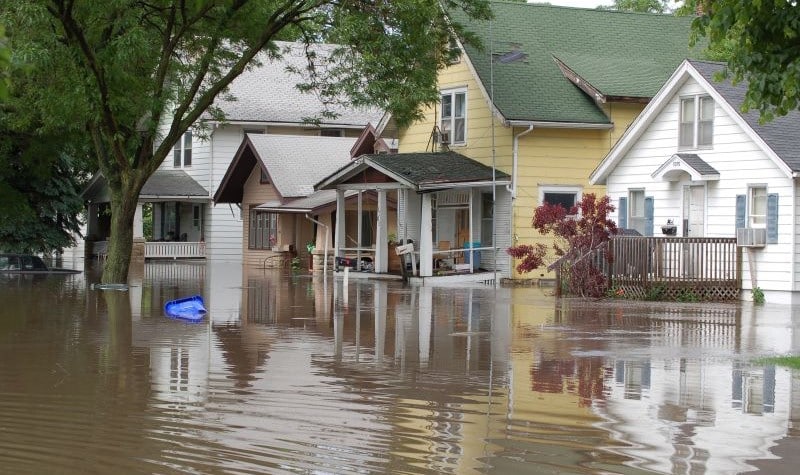
Climate Change Likely to Drive More Floods in Some Parts of the U.S., Fewer in Others
By News Editor
Researchers expect increased flooding in the Northeast and Southeast, while flooding will generally decrease in the Southwest and the Northern Great Plains.

February 9, 2024
Welcome New Members – January 2024
By News Editor
ASFPM extends a big welcome to these flood risk management professionals who joined the association this past month.
March 25, 2024
ASFPM’s Detailed Priorities for FY2024 NFIP Reauthorization and Reform
By News Editor
ASFPM priorities address flood risk mapping, flood insurance, floodplain management, and flood mitigation, and the changes necessary to strengthen the NFIP.
READ MORE